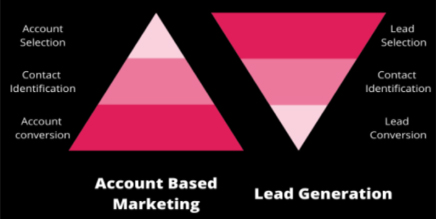
In 2025, account-based marketing (ABM) is no longer just a niche B2B tactic; it has become the cornerstone of winning and growing key customer accounts. The tactics and technologies behind ABM are evolving rapidly, driven by AI, intent data, and increasingly sophisticated account-based marketing platforms that empower marketing and sales teams to deliver hyper-personalized engagement at scale.
This article explores the top ABM trends shaping 2025, practical insights for your account-based marketing strategy, and how to leverage ABM agencies and platforms to gain high-value accounts.
What is Account-Based Marketing (ABM)?
ABM is a focused approach to B2B marketing where marketing and sales align to target and engage a predefined set of high-value accounts. Rather than casting a broad net, ABM concentrates resources to deliver personalized campaigns tailored to the specific needs and pain points of each target account.
This hyper-focused engagement helps build deeper relationships, accelerate sales cycles, and increase deal sizes, making it indispensable for companies targeting enterprise clients or complex buying groups.
Top ABM Trends Shaping 2025
1. AI-Driven Intent and Predictive Analytics
In 2025, AI is powering the next generation of account-based marketing platforms by integrating real-time intent data with predictive analytics. Marketers can detect when target accounts are actively researching relevant solutions and dynamically tailor outreach based on content consumption, browsing behavior, and industry signals. This precision targeting maximizes engagement and ensures marketing efforts focus on accounts most likely to convert.
2. Unified Sales and Marketing Alignment
The traditional silos between sales and marketing are dissolving, replaced by revenue teams working collaboratively from a shared set of account insights and goals. ABM strategies increasingly rely on coordinated account plays where marketing’s campaigns and sales outreach are tightly aligned to deliver a seamless, consistent experience across multiple touchpoints.
3. Hyper-Personalization at Scale
Data-driven insights combined with AI-powered content personalization fuel hyper-personalized experiences for every stakeholder within a target account. From tailored emails and LinkedIn ads to dynamic web content and targeted events, crafting relevant, contextual messaging resonates more deeply, building trust and moving decisions along faster.
4. Multi-Platform Campaigns
Successful ABM campaigns in 2025 integrate efforts across multiple digital platforms: email, social media, programmatic advertising, video, and events, to create layered engagement opportunities. Coordinated campaigns leverage each channel’s strengths while maintaining consistent messaging, maximizing account reach and impact.
5. Privacy-First and First-Party Data Focus
With the ongoing phaseout of third-party cookies and tightening regulations globally, data privacy is a key concern for ABM teams. 2025 ABM strategies emphasize leveraging first-party data, securing clean-room collaborations, and maintaining transparent data practices that foster trust and compliance.
How Does Account-Based Marketing Work?
ABM starts with identifying an ideal customer profile (ICP) and selecting a finite list of target accounts. Using data and analytics, marketing then builds detailed profiles of key decision-makers and influencers within these accounts. Highly personalized content and campaigns are created to address their specific challenges, with sales and marketing teams working jointly to orchestrate outreach.
Success depends on continuous measurement and refinement: tracking engagement metrics and pipeline contribution, then adjusting campaigns for maximum relevance and impact.
Will ABM Work for Me?
ABM can benefit companies of all sizes, but is especially powerful for B2B businesses targeting mid-market or enterprise clients where deal sizes and sales cycles justify the focused investment. If your products or services involve complex buyer journeys with multiple stakeholders, ABM offers a strategic advantage by delivering personalized, relevant messaging that broader strategies may miss.
How Do I Choose the Right Type of ABM?
There are three primary types of ABM:
- Strategic ABM: Highly personalized campaigns targeting one or a few key accounts with dedicated resources from marketing and sales.
- ABM Lite or Programmatic ABM: Personalized campaigns aimed at a larger set of accounts but less granular than strategic ABM.
- Demand Capture ABM: Focuses on accounts already showing intent or in-market signals, leveraging predictive tools to capture demand efficiently.
Choosing the right type depends on your business size, resources, and sales process complexity. Smaller teams may start with ABM Lite and scale up, while enterprises often deploy strategic ABM on their highest-value clients.
How Quickly Can I Expect to See ROI Using ABM Tactics?
ABM is a long-term play, but companies begin seeing meaningful ROI typically within 6 to 12 months of execution. Success often manifests as improved engagement rates, higher conversion rates within target accounts, and larger deal sizes. Setting clear goals and leveraging account-based marketing platforms for precise targeting and measurement accelerates ROI realization.
What Are ABM Strategies for 2025, and How Is AI Playing a Role?
2025 ABM strategies emphasize data fidelity, AI-driven insights, and multi-channel orchestration. AI automates account scoring, gauges intent signals, and fine-tunes content personalization in real-time. This enables marketers and sales teams to focus efforts on accounts most ready to engage while delivering more relevant messaging.
Leading account-based marketing platforms offer integrated AI modules that provide:
- Automated lead and account scoring based on behavior and intent
- Dynamic content creation personalized to account profiles
- Real-time analytics dashboards that align marketing and sales around performance metrics
AI transforms ABM from guesswork to precision targeting, dramatically improving campaign efficiency and outcomes.
Leveraging ABM Agencies and Platforms in 2025
Deploying ABM programs with the help of specialized ABM agencies can accelerate your strategy by tapping expertise in data integration, content creation, and campaign execution. Agencies also help integrate cutting-edge ABM platforms, ensuring you benefit from full-stack capabilities like AI-driven insights and multi-channel orchestration.
Top ABM platforms in 2025 focus on seamless CRM integration, AI-powered intent analysis, and user-friendly campaign management features to streamline adoption and maximize impact.
Conclusion
As the ABM landscape advances in 2025, adopting AI-powered account-based marketing platforms, embracing multi-channel engagement, and aligning sales and marketing teams are the keys to winning and growing key customer accounts. Investing in data quality, privacy compliance, and personalized experiences will enable B2B businesses to supercharge their account-based marketing strategy and realize higher ROI.
Whether you’re a startup exploring ABM Lite or a large enterprise deploying strategic ABM, the trends shaping 2025 provide a blueprint for deeper engagement, faster sales cycles, and sustainable growth.
Supercharge your account-based marketing with Pixelo Digital’s AI-driven ABM platforms and multi-channel expertise. Partner with us to unlock deeper engagement, faster sales cycles, and sustainable growth for your key accounts.